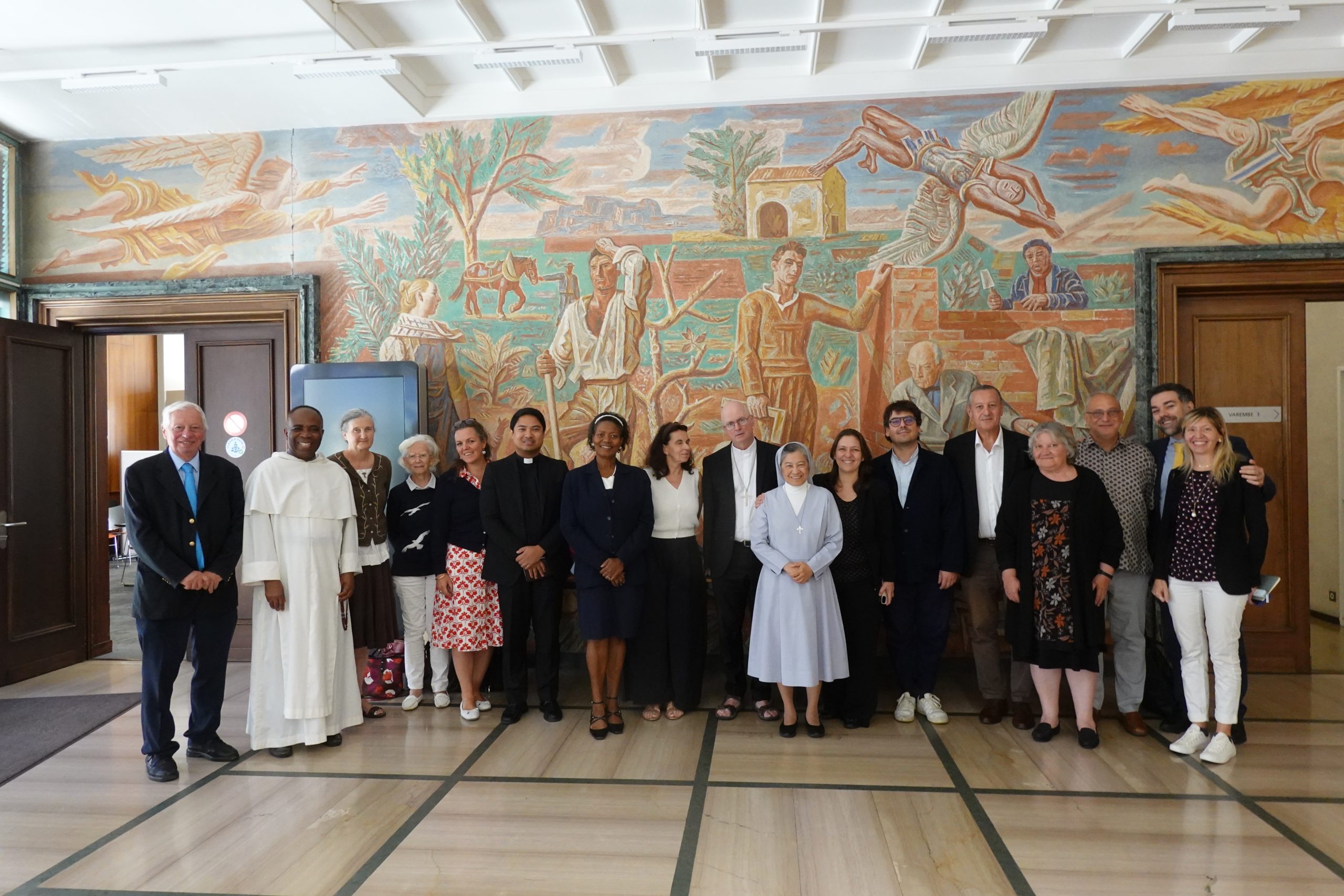
On 26th February, the Ambassador was invited to deliver a statement on Human Trafficking in Africa in a side event organized by “Réseau Unité pour le Développement en Mauritanie” on the margins of the 61st session of the Human Rights Council.
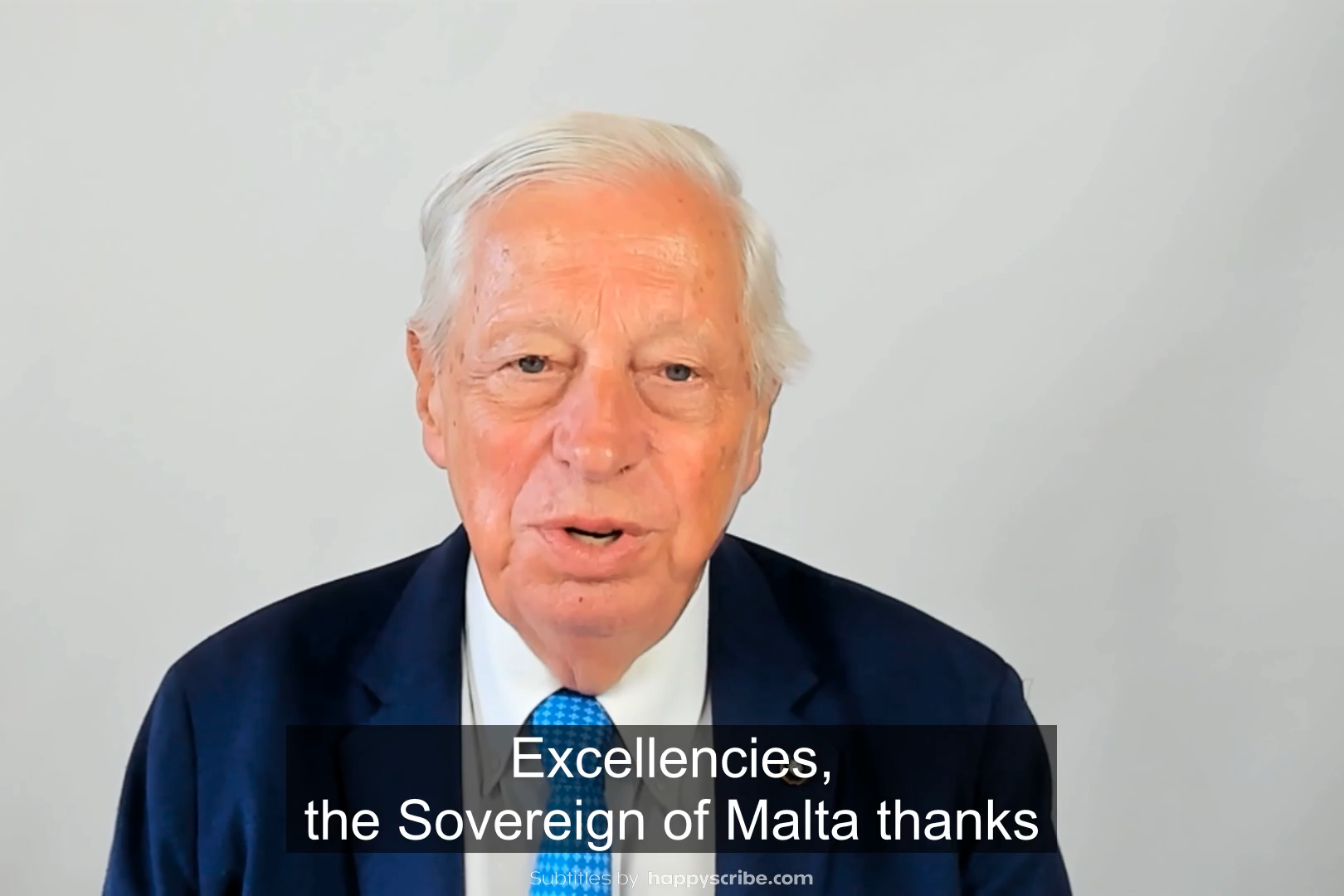
Here is the full statement delivered by the Ambassador:
Excellencies,
The Sovereign Order of Malta would like to thank the “Réseau Unité pour le Développement de Mauritanie” as well the co-organizers for the invitation to this side-event.
The protection of refugees’ rights in Africa is a critical issue, as it also helps safeguard them from human trafficking. Africa is a continent where a high number of human trafficking victims are identified each year, millions, according to available data. However, these figures are widely believed to underestimate the true scale of the problem due to the significant challenges in detecting and reporting such cases.
This phenomenon stems from various factors, including socio-economic conditions such as poverty, inequality, and the lack of legal frameworks and enforcement, with significant disparities among African countries. Forms of trafficking are diverse, ranging from forced labor, particularly in domestic work, agriculture, and mining, to sexual exploitation and prostitution, as well as military recruitment, notably of child soldiers.
Beyond being a continent where human trafficking occurs, Africa is also a major region of origin for victims trafficked to Western Europe and the Middle East. Trafficking must be understood as a transnational iissue, meaning that trafficking in Africa also directly concerns Europe and other regions.
Human trafficking is a serious crime, classified as both a war crime and a crime against humanity. Refugees are highly vulnerable to trafficking. Fleeing their lives with nothing, they often end up in camps, where traffickers exploit their vulnerabilities. As reported by the UNHCR, women in these camps are sometimes sexually exploited in exchange for food. Children living in refugee camps are also recruited for forced labor or by armed groups to serve as child soldiers.
The high number of displaced people in Africa, 40 million in 2023, continues to rise due to the intensity of ongoing conflicts and the impacts of climate change.
These adverse conditions not only increase the number of refugees within Africa but also the number of African refugees reaching Europe. As previously highlighted, the issue of displaced persons and trafficking is transregional. UNODC has reported a correlation between the rise in displaced populations and the increasing number of African trafficking victims detected in Europe.
It is therefore crucial that all stakeholders fulfill their obligations to protect displaced persons and refugees.
Religious organizations can play a pivotal role. They are deeply embedded in communities, often operate in remote areas, and are recognized as moral authorities. As such, they can contribute significantly to prevention, identification, and protection efforts for trafficking victims.
The Sovereign Order of Malta, through its humanitarian and diplomatic activities, is committed to protecting refugees and displaced persons. Our national associations and relief agency, Malteser International, provide humanitarian aid to refugees and displaced populations in conflict zones such as South Sudan and the Democratic Republic of the Congo, among others.
At the diplomatic level, the Order of Malta has undertaken multiple initiatives to raise awareness about human trafficking. Last December, we co-organized a high-level conference in Rome with Praeveni Global and the Pontifical Gregorian University. The event brought together government representatives, international organizations, law enforcement, faith-based organizations (FBOs), NGOs, UN Special Rapporteurs, academics, and businesses to discuss the challenges of trafficking. The UNHCR representative emphasized how forced displacement, family separation, and limited legal migration pathways create environments where trafficking thrives, particularly along migration routes.
The report of this Conference is available online https://www.romeconference2025.com
Thank you,