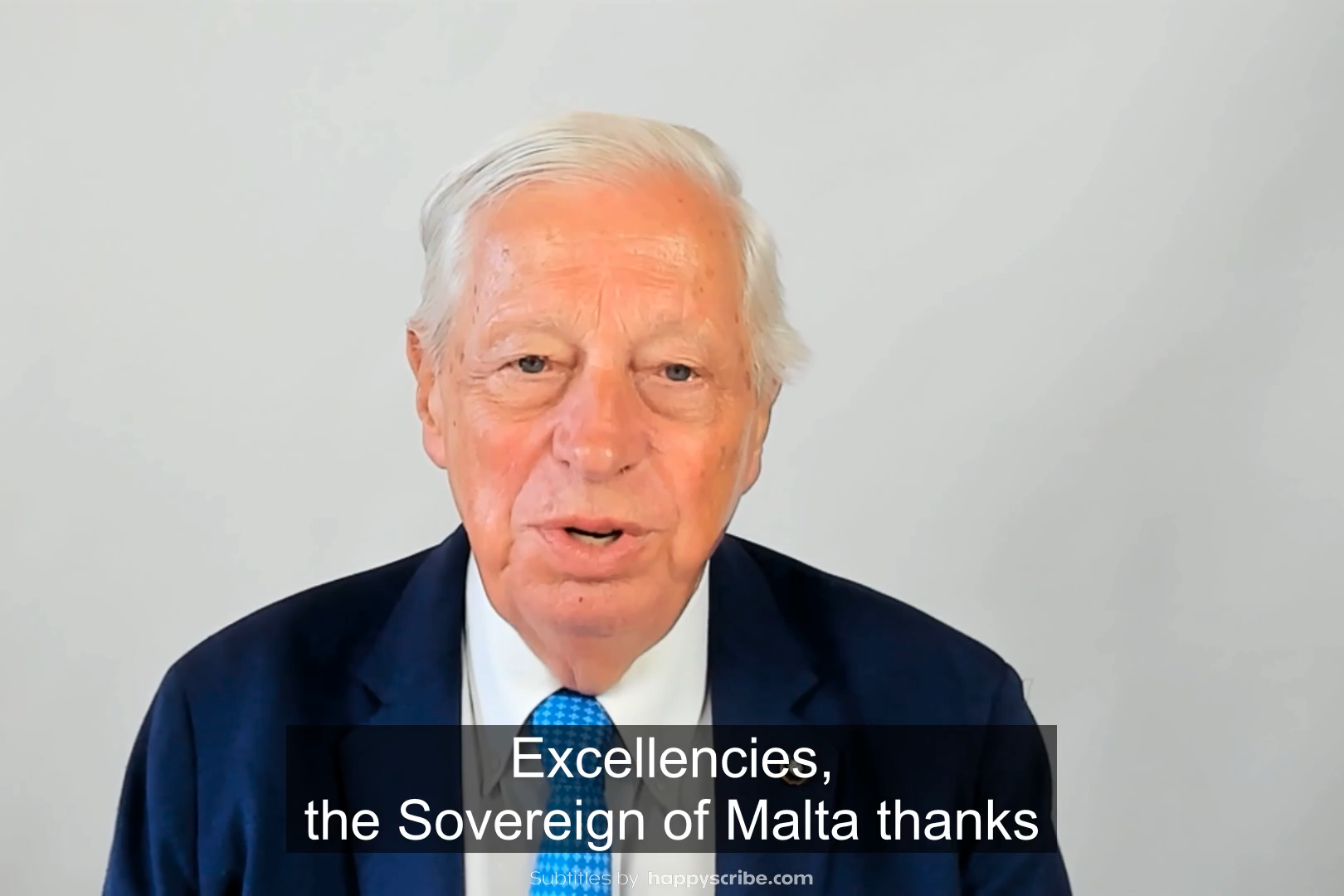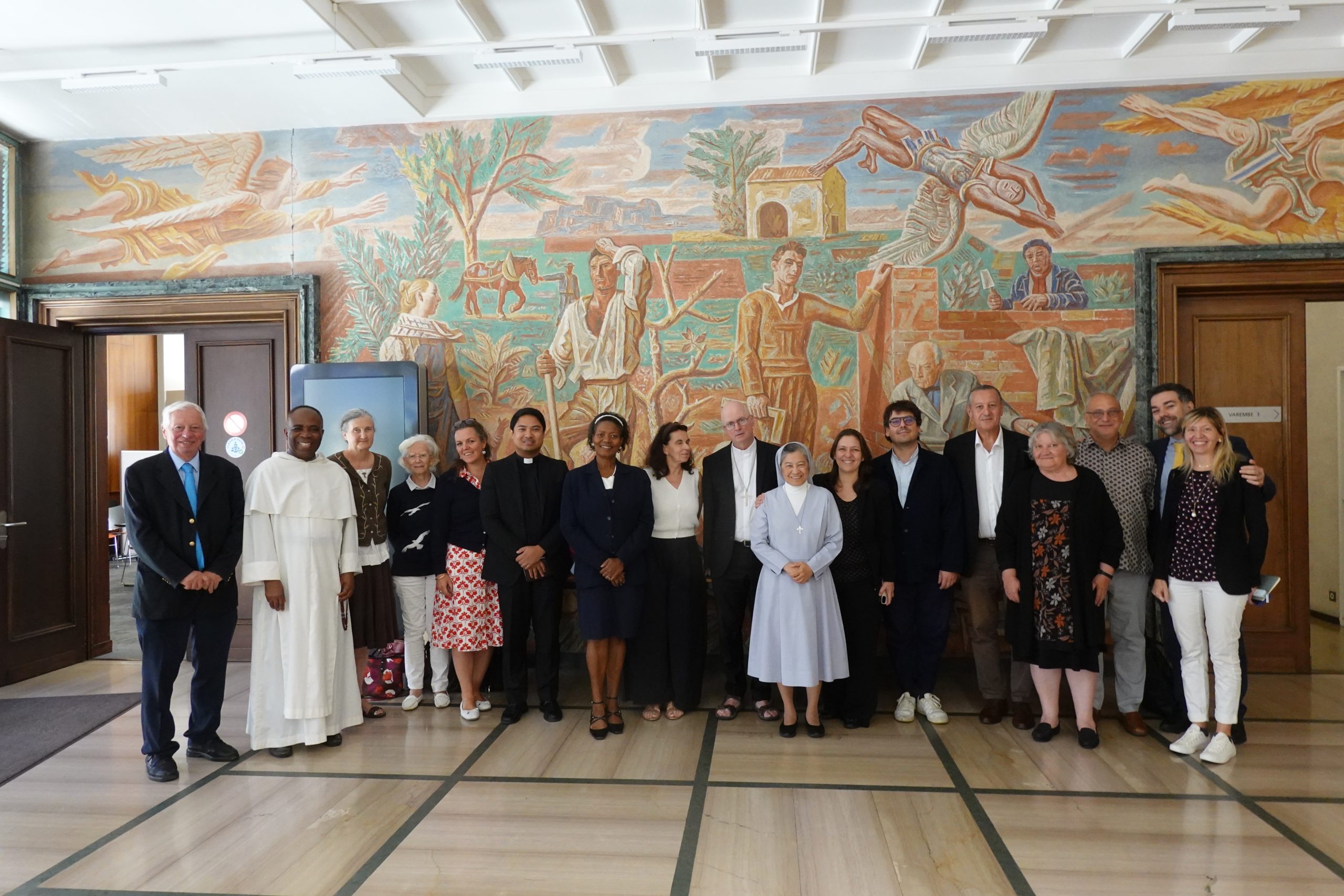

On July 8, 2025, Ambassador Michel Veuthey delivered a 90-minute lecture on Trafficking in Persons and Smuggling of Migrants, as part of the 25th Sanremo Summer School organized by the International Institute of Humanitarian Law (IIHL) 1.
A total of 23 participants from 14 countries (including Burundi, China, France, Germany, Ghana, Italy, the Netherlands, Pakistan, Portugal, Saudi Arabia, Singapore, South Korea, the United States, and Ukraine) attended the lecture. The group comprised police officers, UN officials, military personnel, legal experts, academics, NGO leaders, and international consultants.
The lecture began by explaining the distinctions between human trafficking and migrant smuggling, while also highlighting their interconnections, overlapping routes, and the shared vulnerabilities of those affected. It then examined the legal definition of human trafficking and explored the different forms, global scope, and current trends of this crime.
Attention was given to the root causes of both human trafficking and migrant smuggling, emphasizing their interconnected nature. Michel Veuthey then addressed the specific risks these crimes pose in the context of armed conflicts, where instability and displacement often increase vulnerability to exploitation.
He illustrated this with two common examples in conflict settings: the recruitment of child soldiers and the sexual exploitation of women and girls, highlighting their key features and long-term impact.
Before concluding, Michel Veuthey emphasized the urgent need to mobilize all available legal instruments and implementation mechanisms to combat human trafficking and migrant smuggling. He also advocated for a comprehensive, multi-pillar plan of action, structured around the following key components:
- Cooperation (among all relevant stakeholders involved in the fight against human trafficking)
- Prevention (through awareness-raising and sensitization campaigns)
- Identification of victims (enabled by robust training and capacity-building)
- Protection (for survivors and those at risk)
- Prosecution (of traffickers, ensuring access to justice for victims)
- Reparation and Rehabilitation (including long-term support and the empowerment of survivors).
In his closing remarks, Michel Veuthey highlighted that migrant victims often face less recognition and protection than non-migrants. He noted that while armed conflicts increase exploitation risks and reliance on dangerous smuggling routes, such issues are not limited to conflict zones or poor regions, they also occur in wealthy countries, sometimes within our own communities.
HERE the Ambassador’s lecture.